Research
Energy. Microenvironments.
Interfaces.
We advance nanocatalysis by controlling energy delivery, shaping local chemical environments and coupling functions at catalytic interfaces—for sustainable energy and environmental applications.
Research theme 01
Concentrating energy.
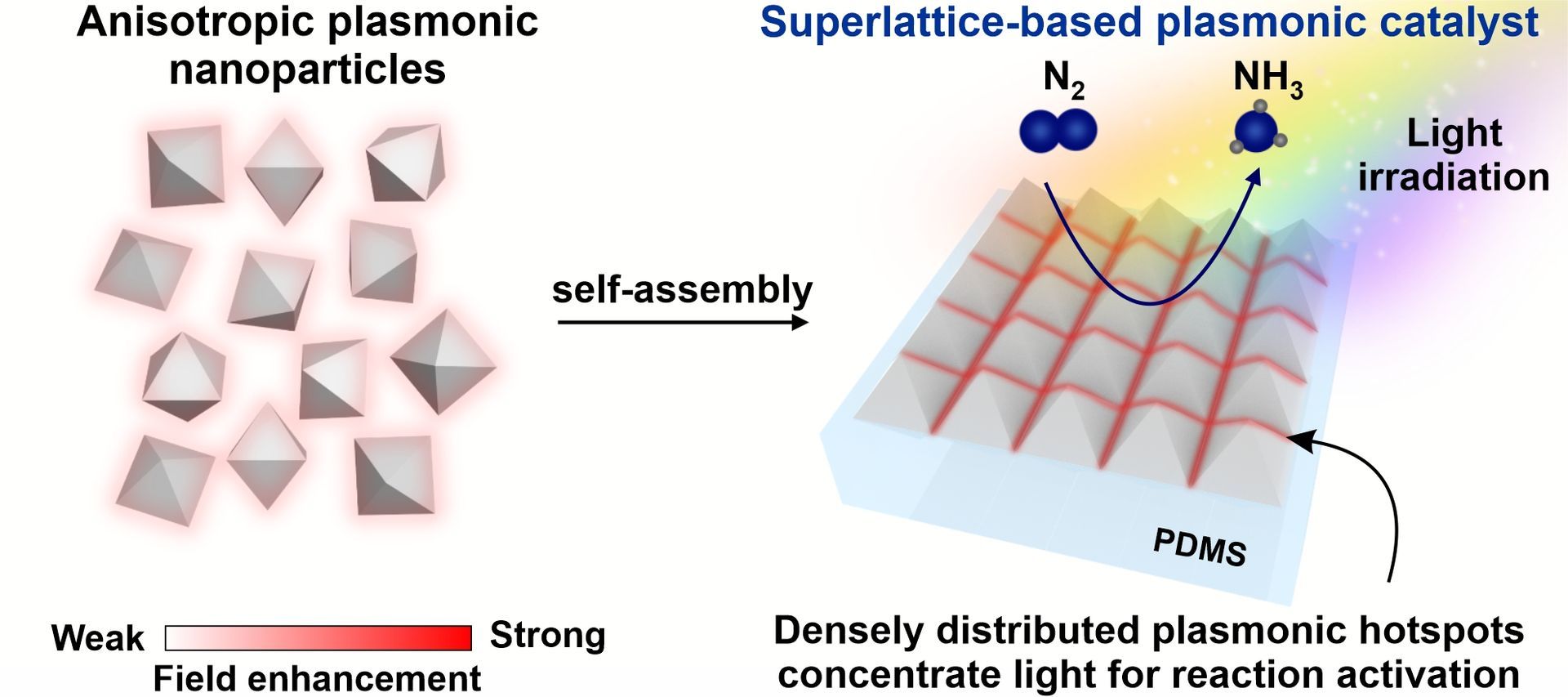
We design plasmonic nanoparticles, photonic crystals and nanoelectrode superlattices to concentrate light and electric fields at catalytic sites. Connecting spatial energy delivery with charge generation and catalytic activity helps us understand—and improve—photocatalysis and electrocatalysis.
Light and electric-field localization
Plasmonic hotspots, slow-photon effects and ordered nanoelectrodes offer complementary ways to focus excitation and promote charge transfer where chemical transformations occur.
Related publications
Research theme 02
Manipulating chemical microenvironments.
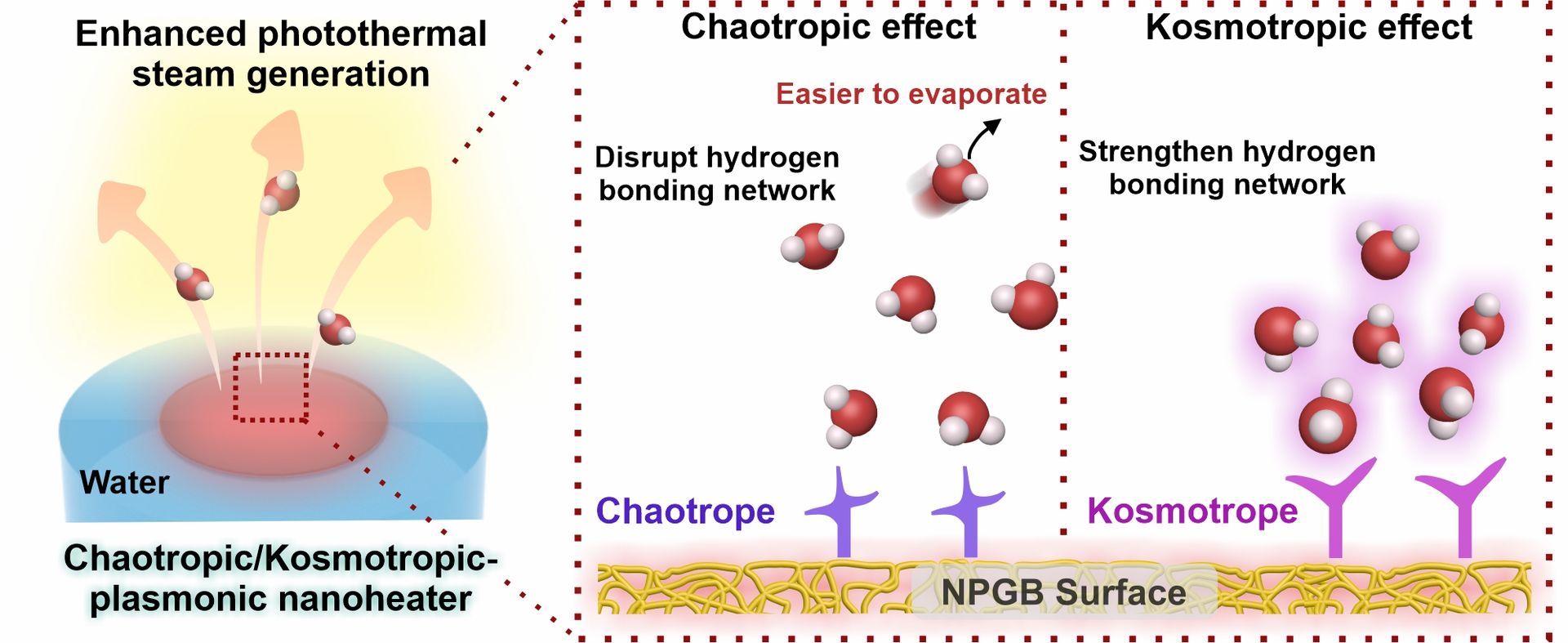
We shape the environment around catalytic and reactive sites: how water organizes, where reactants accumulate and how molecules reach the surface. Tailored surface chemistry and dynamic molecular transport connect these local conditions with catalytic activity, selectivity and pollutant capture.
Organizing water and surface chemistry
Chaotropic and kosmotropic groups reorganize water’s molecular network, while reticular chemistry tunes surface interactions. These molecular tools help control reactant availability, competing pathways and reactive capture.
Directing molecular transport
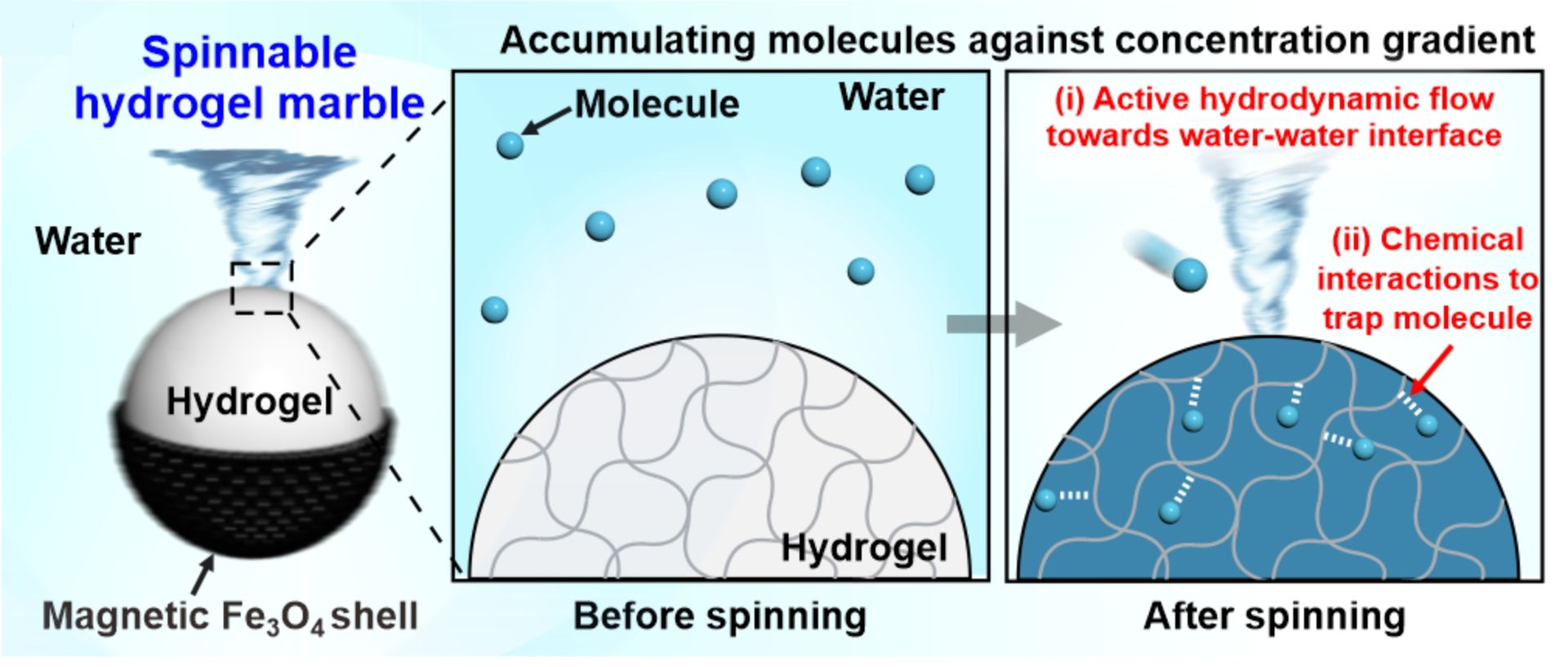
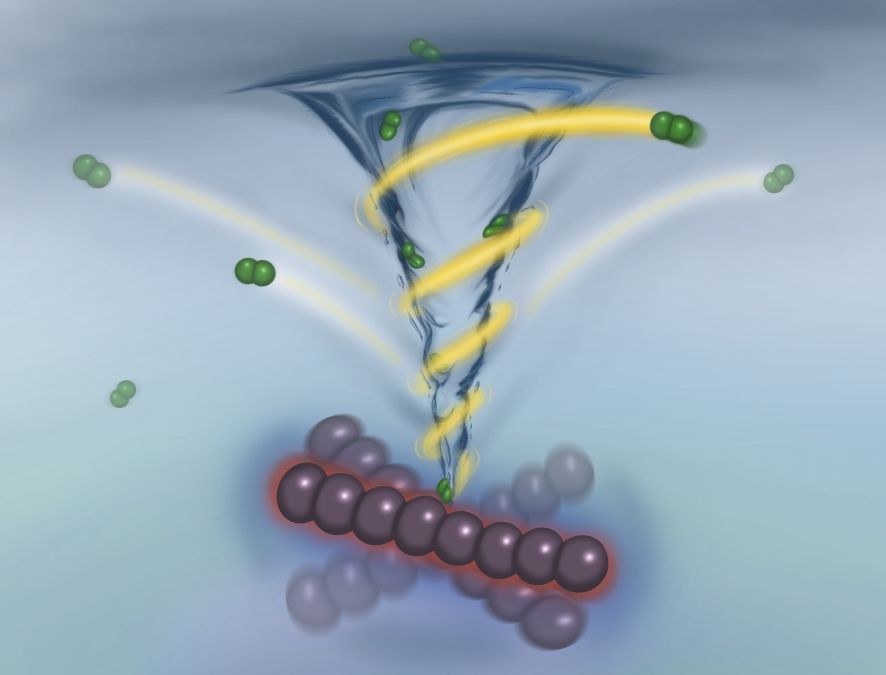
Driven liquid interfaces and nano-vortexers actively converge reactants from immiscible phases, connecting molecular motion and interfacial chemistry with reaction performance.
Related publications
Research theme 03
Multifunctional catalytic interfaces.
We build interfaces that couple complementary functions: harvesting light, transferring charge, transporting molecules and catalyzing transformations. By controlling how materials and phases meet, we connect interfacial structure with chemical reactivity and environmental function.
Coupling functions across materials
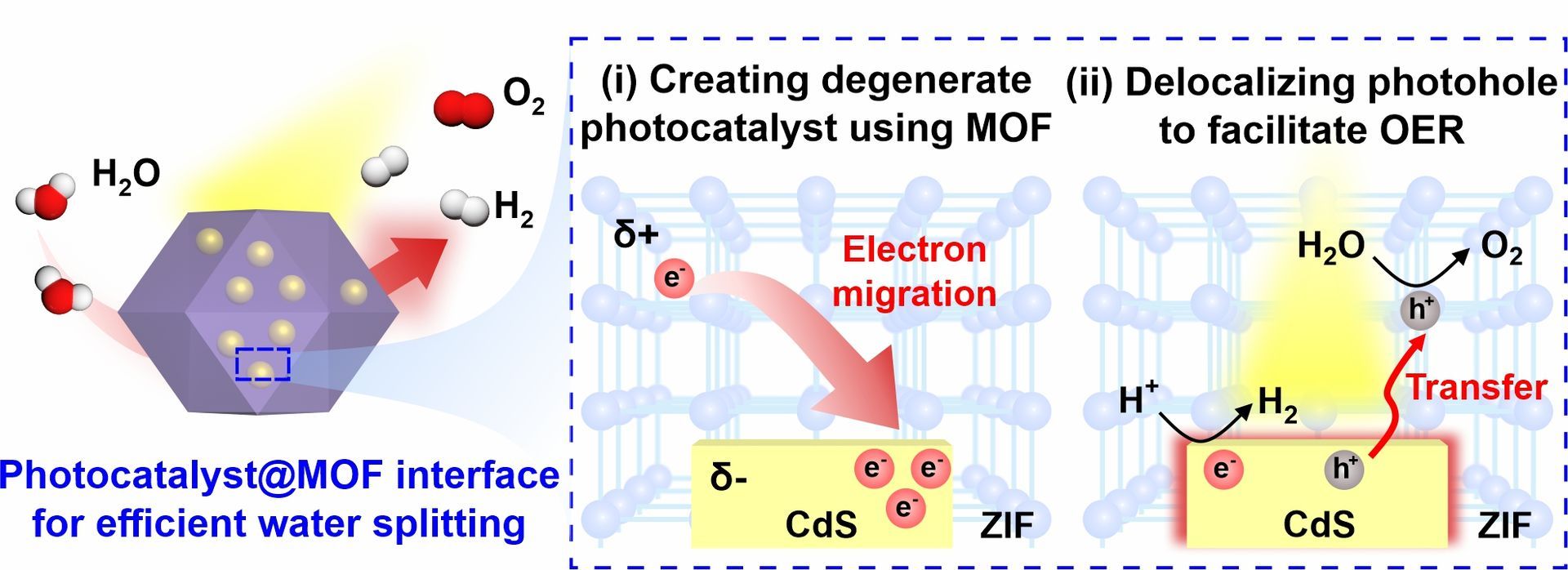
Spatially defined catalyst–metal architectures, semiconductor junctions and light-responsive liquid–liquid interfaces connect excitation and charge utilization with reaction pathways.
Dynamic interfaces for sensing and remediation
Responsive hydrogels, spinning interfacial reactors and magnetic microbots integrate molecular transport with pollutant capture, sensing or catalytic regeneration, extending interface design to water treatment.
Related publications